
Your Recovery, Our Priority
Rebuild Strength, Reclaim Confidence
Whether you’re recovering from injury or managing chronic pain, our myotherapy solutions are designed to help you regain control. We work with you every step of the way.
2006
Established
10+
Modalities
Expert Care, Advanced Solutions
Tailored therapy plans designed to help you recover, move better, and live healthier
Services
What We Offer
We address various conditions to enhance your well-being
Each treatment is tailored to your unique needs in order to support your recovery
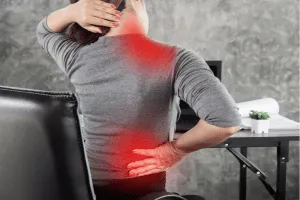
Myotherapy
Target muscle pain at its source with Myotherapy, a treatment focused on identifying and treating musculoskeletal pain and dysfunction. Our skilled therapists use advanced techniques to release muscle tightness, restore movement, and improve flexibility, offering relief for chronic pain, sports injuries, and postural issues.
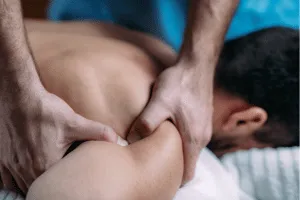
Remedial Massage
Remedial Massage is perfect for those dealing with tight muscles, joint pain, or injury recovery. This therapeutic approach works to correct imbalances, release tension, and aid the body’s natural healing processes. You'll feel rejuvenated and restored, ready to take on your daily activities with ease.
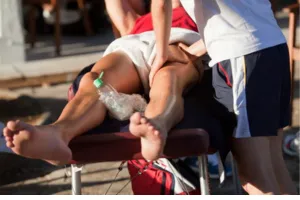
Sports Massage
Enhance your performance and speed up recovery with Sports Massage. Ideal for athletes, this specialized treatment improves circulation, reduces muscle soreness, and helps prevent injuries. Whether it's pre-event preparation or post-event recovery, we’ll help keep you in peak condition.
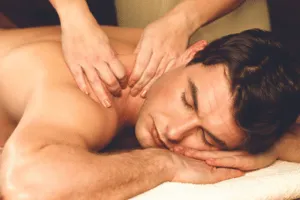
NST
Experience deep relaxation and pain relief with NST, a gentle, non-invasive therapy that restores the body’s natural balance. By addressing the nervous system and releasing muscle tension, NST promotes long-term healing and relief from chronic pain and stress.
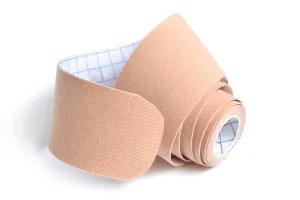
Sports Strapping & Taping
Prevent injury and stabilize joints with our professional Sports Strapping & Taping services. Perfect for athletes or individuals recovering from injuries, this service provides added support, helping you move with confidence while reducing the risk of further strain.
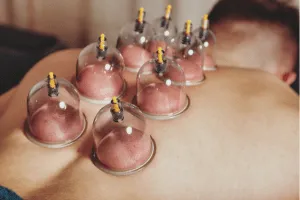
Cupping
Cupping Therapy is an ancient technique that promotes healing by increasing blood flow and releasing muscle tension. This suction-based treatment detoxifies the body, alleviates pain, and reduces inflammation, leaving you feeling revitalized and stress-free.
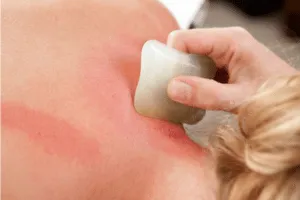
Gua Sha
Reduce inflammation and muscle tension with Gua Sha, a traditional scraping therapy that stimulates circulation and encourages healing. Ideal for both acute and chronic pain conditions, this treatment will leave you feeling refreshed and relieved.
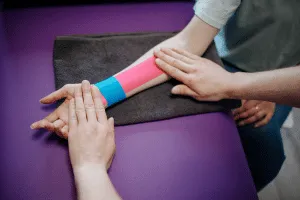
Kinesiology Taping
Kinesio Taping is a taping technique that is designed to facilitate the body’s natural healing process while providing support and stability to muscles and joints without restricting the body’s range of motion as well as providing extended soft tissue manipulation to prolong the benefits of manual therapy. The tape is Latex-free and wearable for days at a time.
Moxabustion
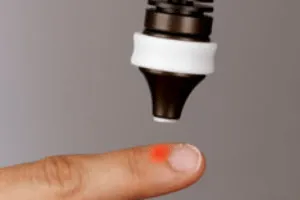
Moxibustion therapy is a traditional Chinese medicine treatment that assists in dispelling cold and damp from the body. It is useful in helping with a wide range of conditions, including aches and pains.
At Applied Health we use a special infrared emitter which is equivalent to the emission spectrum of a burning moxa.
Book your appointment today and let us guide you through your recovery journey.
Prices
New Client / Initial Consultation
< 60 minutes
$105
Short Consultation
< 30 minutes
$80
Standard Consultation
< 45 minutes
$90
Long Consultation
< 60 minutes
$105
Myofacial Cupping
< 30 minutes
$80
Trusted Care Since 2006
Who We Are
Commitment to Exceptional Care and Personalized Recovery
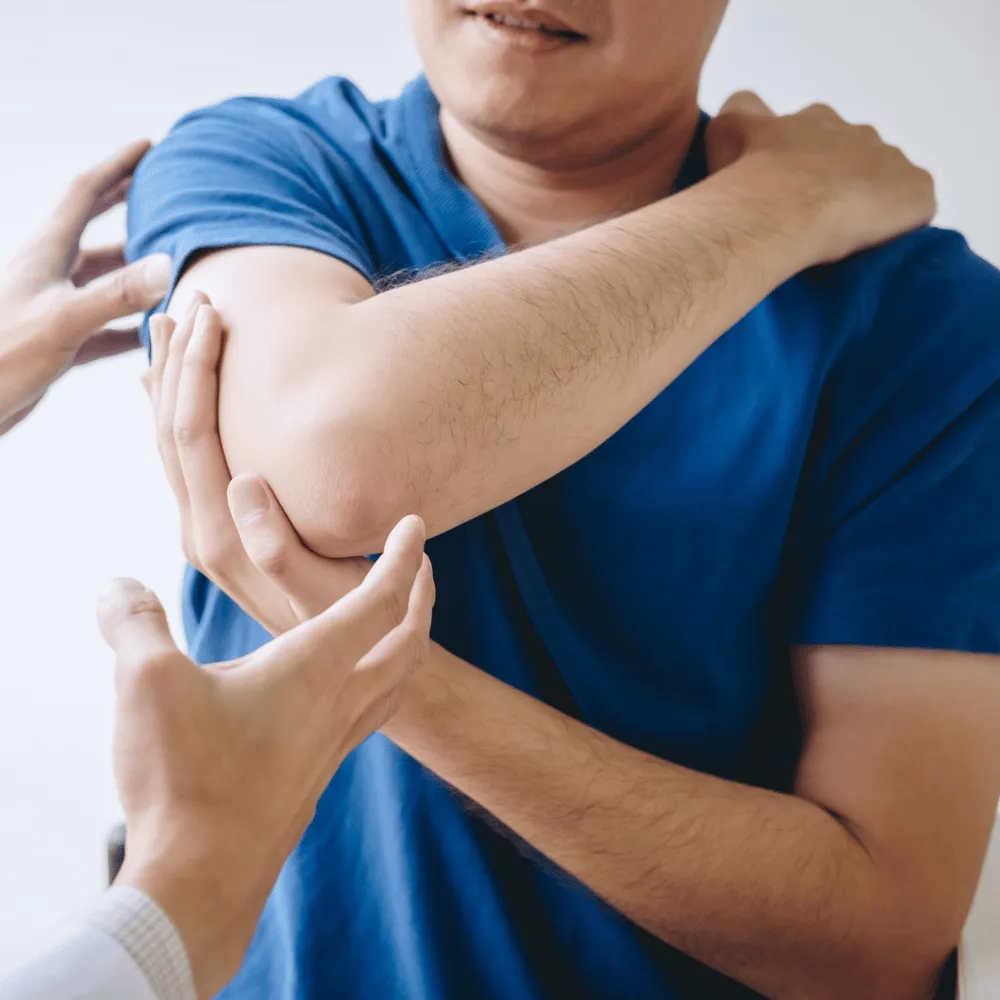
We are dedicated to helping individuals regain mobility, reduce pain, and improve their quality of life. We offer personalized care and advanced therapy programs tailored to each patient's needs. Our mission is to empower you on your journey to recovery, wellness, and strength.
FAQ's
Frequently Asked Questions
What can I expect during my first physical therapy session?
During your initial visit, you'll undergo a comprehensive evaluation, where our therapist will assess your condition, discuss your medical history, and establish a personalized treatment plan. We'll also address any questions or concerns you may have.
How long will my physical therapy treatments take?
The duration of each session typically ranges from 30 minutes to an hour, depending on your specific needs. The total number of sessions required will vary based on your condition and progress.
Do I need a referral from my doctor to start physical therapy?
In many cases, a referral is not required, but it depends on your insurance plan and local regulations. We recommend checking with your insurance provider and consulting with our staff to determine if a referral is needed.
What should I wear to my physical therapy appointments?
Wear comfortable, loose-fitting clothing that allows easy movement and access to the areas being treated. Athletic wear is often ideal for therapy sessions.
Will my insurance cover physical therapy services?
Most insurance plans offer coverage for physical therapy, but the extent of coverage can vary. We accept various insurance plans and can help you verify your benefits before starting treatment.
How can I track my progress during physical therapy?
Your therapist will regularly evaluate your progress and adjust your treatment plan as needed. You'll also receive feedback on your improvements and any specific exercises or activities to work on between sessions.
Contact us if you have more questions in mind
TESTIMONIALS
What others are saying
"Very knowledgeable"
" A Google search for a nearby therapist gave me Luke's contact details. He is amazing! After my first appt with him I could feel a big difference in my legs. He first sat with me and discussed what had brought me there, then he explained in depth the treatment. Very knowledgeable and also gave me simple stretching exercises to do at home. Highly recommend if you're looking for a good therapist who knows his methods and when to apply. Ive had remedial/deep tissue, cupping and dry needling."
- Jessica Louise
"Sincerely recommend"
"Luke, is a brilliant myotherapist. Been a few times now and my aching body has reaped a massive benefit from his healing hands and treatments. His skill shines through. Sincerely recommend."
- Howard Moldrich
"Highly recommended"
"Luke has helped me so much with my headaches and absolutely does not over service. He makes you feel very much at ease. I recommend him highly if you are looking for Remedial Massage."
- Rulica Lee